How to Care for a Root Canal Tooth
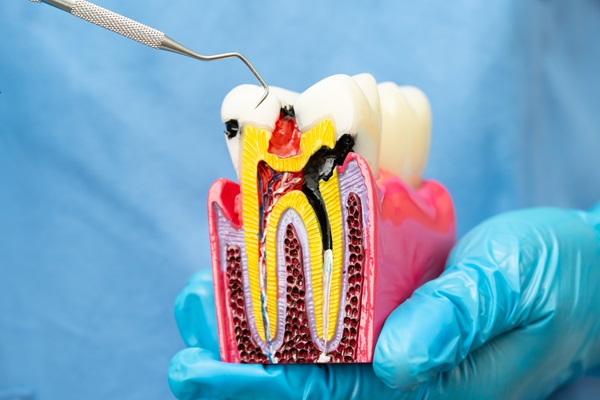
You should consider root canal treatment if you have a tooth infection or a severely damaged, decaying tooth. It is a popular procedure that can save your tooth and relieve your dental pain. After the procedure, you should take proper care of your treated tooth.
Caring for a root canal tooth
After root canal treatment, the dentist will send a patient home with instructions on how to care for the tooth during recovery and pain management. Following the guidelines is important. A treated tooth can last for a long time with proper care. Here are a few tips on how to care for a root canal tooth.
Brushing and flossing
Patients can keep the area clean and avoid infection with a good daily oral health routine. This will involve brushing the teeth at least twice every day and flossing once each day. A person should brush for a few minutes with fluoride toothpaste. But a person should be careful flossing around the tooth, and the floss should not be pulled upward near the crown. Cleaning between the teeth daily is also important. Seeing a dentist regularly is highly recommended because it will allow the teeth to be examined and cleaned to make sure the teeth are healthy and strong.
Eating after a root canal
After the procedure, a patient should avoid biting down or chewing on the treated tooth until the dentist fully restores it. This will ensure that it is not damaged. Waiting until the numbness in the mouth wears off before eating any food will help avoid accidentally biting the cheek or tongue. People should choose the foods they eat carefully.
Soft foods are a good option after the procedure to avoid irritating the sensitive area. Recommended foods include oatmeal, soup with soft vegetables, scrambled eggs, pasta and mashed bananas. Hard and sticky foods should be avoided, as these can crack the restoration.
Taking medication
As the medication used to numb the mouth wears off, a patient may feel tenderness in the area for a few days during the healing period. Mild soreness is also not unusual. These symptoms are usually temporary and respond well to over-the-counter medication. Sometimes, a dentist may also recommend stronger, narcotic medication. If the infection spreads after the treatment, the dentist can prescribe antibiotics.
Contacting a dentist
A patient may experience a slightly different sensation from the treated tooth than the other teeth for a while. But people are advised to contact a dentist if they experience symptoms including pressure or severe pain lasting for more than a couple of days, visible swelling outside or inside the mouth, an allergic reaction to any medication or if the bite feels uneven. A person should also see a dentist if symptoms experienced before the procedure return. This will help ensure that any problems are detected and treated early.
Take care of your teeth
After a root canal procedure, take care of your treated tooth and other teeth by brushing and flossing daily. You should return to your dentist if you experience any problems. To protect your treated tooth, it is important to follow your dentist’s instructions on how to care for your tooth. Eating foods that do not put pressure on your tooth will also help.
Request an appointment here: https://www.bigwayfamilydental.com or call Bigway Family Dental at (210) 209-8418 for an appointment in our San Antonio office.
Check out what others are saying about our dental services on Yelp: Root Canal Treatment in San Antonio, TX.
Related Posts
Are you experiencing dental pain? Recognizing when a root canal is required can be the difference between saving a natural tooth and needing a total extraction. If you are experiencing dental pain, understanding the following signs will help you decide when to seek professional care.One of the most prominent indicators of internal damage is persistent,…
A damaged tooth can cause significant pain and lead to more severe dental issues when not treated as soon as possible. An emergency dentist can preserve oral health when unexpected dental injuries occur. Whether the damage results from an accident, a fall, or biting onto something hard, immediate professional guidance and treatment can prevent further…
Seeking an emergency dentist immediately after a dental injury can help prevent further complications and ensure proper treatment. Whether a tooth is chipped, cracked, or knocked out, taking the right precautions is essential for preserving oral health. However, some actions can worsen the damage or delay healing. To protect the teeth and avoid additional harm,…
While patients can receive the immediate care they need during a dental emergency, they may still struggle with stress and some pain following the appointment. Thus, you need to follow specific guidelines from the emergency dentist to boost your recovery. One of the most important aspects is following specific dietary restrictions to prevent potential complications…